5 Challenges commercial architects Face in Today’s Complex Urban Landscape (and How They Solve Them)
Exactly How Commercial Architects Can Change Your Organization Space With Specialist Style Services
Commercial architects play a necessary duty in reshaping business settings. Their proficiency in layout can considerably enhance both functionality and aesthetic appeals. By creating rooms that mirror a brand's identification, they improve functional performance and worker satisfaction. However, the impact of their job prolongs past plain appearance. Comprehending the nuances of partnership and sustainability can cause transformative results. What details components make these changes successful?
Recognizing the Duty of Commercial Architects
Commercial architects play a vital function in shaping business environments that are both functional and cosmetically pleasing. They concentrate on designing areas tailored to the details demands of services, ensuring that every square foot is utilized properly. These specialists integrate elements such as spatial layout, lights, and products to boost efficiency and worker well-being. By collaborating with clients, commercial architects gather insights into functional demands and brand identification, converting these into cutting-edge designs.Additionally, they browse complicated building codes and zoning regulations, making sure compliance while taking full advantage of style potential. Their knowledge encompasses sustainability methods, advertising power performance and environmentally friendly products in their projects. Via their imaginative vision and technical understanding, industrial architects not only create attractive rooms however likewise foster environments that promote partnership and growth. Inevitably, their payments greatly influence the total success and photo of a service.
Advantages of Expert Style Services
Customizing Areas to Your Brand Identification
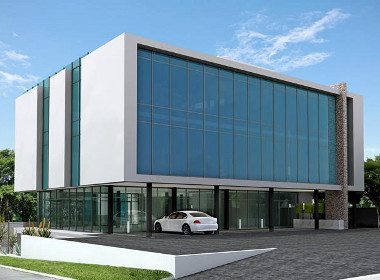
Customizing spaces to a brand name's identity is crucial for sharing its core values and goal. Commercial architects play an essential duty in boosting a service's visual identity through thoughtful layout options. By aligning architectural aspects with brand concepts, business can produce environments that resonate with customers and workers alike.
Reflecting Brand Values
How can a well-designed room embody a company's core values? Commercial architects play a crucial role in forming environments that reverberate with a brand name's identity. By integrating elements such as shade systems, materials, and designs, they develop rooms that reflect the significance of the organization. For circumstances, a technology firm could choose open layouts and modern home furnishings to convey development and cooperation, while a deluxe brand might select elegant finishes and intimate areas to evoke exclusivity and sophistication. Thoughtful style not just boosts functionality yet additionally fosters a solid connection in between workers, customers, and the brand. Inevitably, a well-crafted environment offers as a concrete depiction of a firm's objective and vision, reinforcing its values at every touchpoint.
Enhancing Visual Identification
What components can effectively elevate a brand name's aesthetic identification within a commercial space? Commercial architects play a pivotal role in integrating design attributes that reverberate with a business's values. Color pattern, typography, and materials can be tactically picked to show brand name values while guaranteeing visual allure. Furthermore, incorporating logo designs and brand name images right into the design can develop a natural aesthetic narrative. Lights style can even more boost the environment, directing customer assumptions and experiences (commercial architects). Design and furniture options must straighten with the brand's personality, whether it's modern, typical, or innovative. Inevitably, a properly designed commercial space not only brings in consumers yet likewise enhances brand name recognition, developing a long lasting impact that promotes loyalty and involvement
Enhancing Functionality and Performance
Enhancing performance and performance in business spaces involves enhancing room usage and creating operations that streamline operations. Architects concentrate on producing formats that lessen wasted area while facilitating smooth modifications in between jobs. This technique not only boosts performance but additionally contributes to a more natural workplace.
Optimizing Space Use
Reliable space usage is a vital factor in industrial design, where the design must stabilize looks with capability (commercial architects). Architects employ various strategies to optimize available square footage while guaranteeing that each location serves a distinct purpose. By analyzing workflow, traffic patterns, and customer requirements, architects can develop layouts that boost both worker efficiency and customer experience. Multi-functional areas, adaptable furnishings setups, and enhanced storage space solutions are crucial parts in attaining this objective. In addition, incorporating all-natural light and open areas promotes an extra inviting ambience, additional elevating the energy of the environment. Eventually, effective area usage not only enhances functional effectiveness yet likewise adds favorably to the overall brand name picture, making it a necessary consideration in business layout
Structured Process Design
How can a properly designed workflow change a business area right into a hub of productivity? Streamlined workflow design concentrates on maximizing the physical format and functional processes within a company environment. By tactically preparing workstations, conference locations, and sources, architects can eliminate unneeded activity and boost partnership. This thoughtful layout lessens disturbances and helps with interaction, permitting workers to concentrate on their tasks much more successfully. In enhancement, integrating modern technology into the process can better automate procedures, decreasing time invested in regular tasks. Consequently, services experience boosted worker morale and enhanced outcome, developing a dynamic ambience that cultivates innovation. Inevitably, investing in structured workflow style not only boosts capability however also positions a business space for lasting development and success.
Fostering Collaboration Through Layout
Although modern work areas typically focus on specific efficiency, the style of business areas progressively emphasizes collaboration as a vital vehicle driver of development and team cohesion. Architects play an important role in creating settings that foster communication among workers. Open designs, multifunctional areas, and tactically put communal locations urge spontaneous conversations and conceptualizing sessions.Incorporating aspects such as movable furnishings and adaptable conference spaces enables groups to reconfigure rooms based upon their collaborative demands. Additionally, incorporating modern technology, like interactive whiteboards and video clip conferencing devices, enhances why not check here the capability to connect properly, no matter location.Natural light and biophilic design aspects also add to an extra welcoming ambience, advertising comfort and wellness, which are essential for effective team effort. By concentrating on these facets, industrial architects can develop vibrant settings that not just boost cooperation yet additionally drive total organization success.
Lasting Layout Practices in Commercial Style
Case Researches: Successful Changes by Commercial Architects
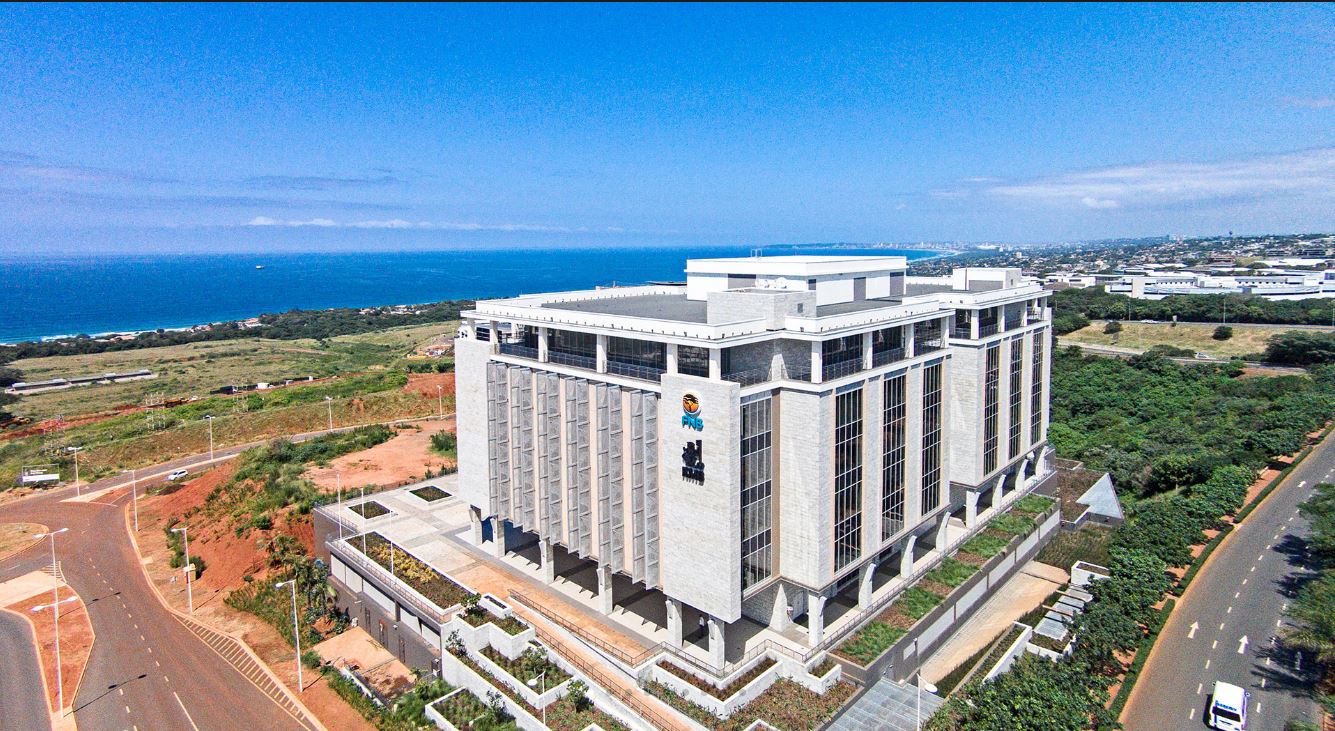
The implementation of sustainable layout practices has not only improved the strategy to business design but has actually also brought about remarkable improvements in numerous business areas. One significant situation is the redesign of a technology firm's headquarters, where architects incorporated natural light and environment-friendly wall surfaces, resulting in boosted staff member health and efficiency. This transformation lowered energy expenses by 30% and enhanced the business's public image.In an additional circumstances, a retail shop underwent a total overhaul, utilizing redeemed materials and energy-efficient systems. This not just drew in eco-conscious customers but also raised foot website traffic by 25%. A 3rd instance involved a business office that welcomed an open-plan format with adaptable offices, promoting collaboration amongst groups. The architects' concentrate on creating a vibrant and versatile environment considerably boosted staff member complete satisfaction. These case researches exhibit exactly how business architects can develop impactful spaces that line up with business objectives and sustainability efforts.
Regularly Asked Concerns
Just How Much Do Commercial Style Solutions Normally Cost?
The price of industrial architecture solutions varies widely, typically varying from $100 to $250 per hour. Factors affecting pricing consist of project intricacy, location, and the architect's experience, making it important for businesses to acquire in-depth price quotes.
What Sorts Of Services Benefit Many From Commercial Architects?
Different organizations, including retail, friendliness, and company workplaces, substantially take advantage of industrial architects. These specialists enhance functionality, aesthetic appeals, and brand name identity, ensuring rooms are enhanced for consumer engagement and staff member performance, eventually fostering organization development.
How much time Does a Commercial Layout Task Generally Take?
The timeline for an industrial design job usually varies from several weeks to a number of months. Variables affecting visit site period consist of task complexity, governing approvals, and collaboration among stakeholders, all of which can impact overall completion time.
Can I Employ an Industrial Designer for Improvements Just?
Yes, hiring an industrial architect for remodellings is possible. Lots of architects focus on renovation projects, providing experience in optimizing existing spaces while adhering to policies and improving performance, aesthetics, and total worth of the organization setting.
What Qualifications Should I Search for in an Industrial Architect?
